


 Click it and Unblock the Notifications
India's Smartphone Slump: Why Even Leading Brands Are Losing Ground

India's smartphone market began the year 2025 with a noticeable slowdown. According to a report by Canalys, smartphone shipments in the country fell by 8% in the first quarter (Q1) of 2025, a total of 32.4 million smartphones were shipped during this time. This drop in shipments was mainly due to weak consumer demand and elevated channel inventory from late 2024.
Despite the overall slowdown, some brands managed to hold their ground. Vivo led the market, shipping 7 million units and securing a 22% market share. This helped it strengthen its position at the top. Samsung came in second with 5.1 million units shipped, followed by Xiaomi, which shipped 4 million units and captured a 12% share. OPPO (excluding OnePlus) and realme followed closely, shipping 3.9 million and 3.5 million units, respectively.

Why Are Top Brands Struggling in India?
Top smartphone OEMs like Apple and Samsung are facing challenges in India's evolving smartphone landscape. While they are focused on the premium segment, a large section of Indian consumers is showing more interest in mid-range and affordable devices priced between ₹15,000 and ₹25,000.
Vivo capitalised on its ZEISS camera partnership and wedding-season campaigns, combining premium appeal with strong mid-range options. OPPO leaned into durable design features and retail strengths. Realme bounced back after inventory correction and saw 58% of its volume come from offline channels. Xiaomi faced a slow response to the Note 14 series but stayed relevant through its affordable Redmi 14C 5G.
Premium Segment Shows Resilience Amid Market Slowdown
While Vivo led the overall market with 7 million units shipped and a 22% market share, the premium segment showed encouraging signs of growth. Apple recorded its best-ever Q1 performance in India, fueled by strong demand for the iPhone 16 series. Attractive offers during Republic Day sales, especially on e-commerce platforms and large-format retail stores, further boosted its momentum. The launch of the iPhone 16e also helped Apple expand its presence in Tier 2 and Tier 3 cities, tapping into new consumer segments.
Samsung, despite starting the quarter with high inventory levels and seeing a 23% year-on-year drop in overall shipments, saw a bright spot in its premium lineup. The Galaxy S25 series grew by 5% compared to the S24 in Q1 2024, thanks to its Galaxy AI features.
Looking ahead, both Apple and Samsung are expected to rely on their strong ecosystems and premium-focused retail strategies to drive growth, especially as competition in the mid-range intensifies.
US Tariff Changes and Their Impact on India's Smartphone Market
Changes in U.S. tariffs are giving India a stronger role in the global smartphone supply chain. These changes are likely to boost local manufacturing and help increase smartphone exports from India. However, the market still faces challenges, caused by higher prices in the U.S., which could affect India's smartphone exports, especially in areas that rely heavily on overseas sales.
Despite challenges, there's some hope for the smartphone market in 2025. Rising average selling prices (ASPs) and the availability of financing options are helping drive sales of higher-end smartphones. The most popular price range is now shifting to phones priced between ₹20,000 and ₹30,000, where most consumers focus their attention.
While overall shipments dipped, brands like Vivo and Apple found ways to thrive by aligning with shifting consumer preferences. With mid-range demand rising and premium segments showing resilience, the market is poised for recovery, driven by strategic positioning, local manufacturing, and changing buyer behavior.
-
 54,999
 -
 99,999
 -
 1,44,900
 -
 89,998
 -
 46,500
 -
 57,998
 -
 53,989
 -
 1,59,999
 -
 1,29,999
 -
 99,999
-
 70,499
 -
 1,56,900
 -
 1,30,990
 -
 17,084
 -
 16,999
 -
 30,999
 -
 9,999
9,999 -
 79,900
 -
 8,999
8,999 -
 79,999
-
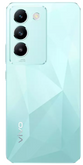 20,999
 -
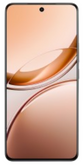 37,999
 -
 25,999
 -
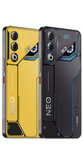 31,999
 -
 24,999
 -
 10,999
 -
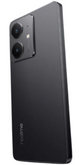 15,999
 -
 45,999
 -
 19,499
 -
 1,61,999
-1763362932432.svg)

 Continue with Google

