


 Click it and Unblock the Notifications

Vivo X300 Ultra Review: I Test Phones for a Living, This Is the One I Keep Going Back To

Most smartphone reviews are written within a week or two of a phone landing on a reviewer's desk. That is enough time to judge the camera's first impression and run the benchmarks, but not enough to know whether you will still enjoy using the phone once the novelty fades and the software updates start rolling in.
When the Vivo X300 Ultra launched in India this May, I decided to do this one differently. Instead of rushing to a verdict, I gave Vivo a long, fair run, using the X300 Ultra as my main camera and, on most days, my main phone. I only sat down to write once I had lived with it properly.
I will be honest about where I started. I had high hopes for the camera and real doubts about Vivo's software. Almost six months later, the camera has lived up to every bit of the hype, and the software has surprised me far more than I expected.

Vivo X300 Ultra Review: Two-Minute Review
Two years ago, I would not have recommended a Vivo flagship to a friend. The cameras were good, but FunTouch OS made the phones feel cheaper than their price tags.
That baggage, plus the belief that Apple and Samsung are the only "safe" premium choices, kept a lot of us from looking at what Vivo and Oppo were actually building.
So I gave the Vivo X300 Ultra a proper chance. Not a two-week review loan, but close to six months as my main camera and, most days, my main phone. I test phones for a living, so devices move in and out of my pocket every week. The X300 Ultra is the one I kept coming back to, and in all this time I never felt the urge to go back to anything else.
It has even become my travel camera. When I pack for a trip, the X300 Ultra goes in the bag whether or not it has a SIM inside, purely because I am now spoilt by the photos it takes. I have not found that quality on a Samsung or an iPhone.
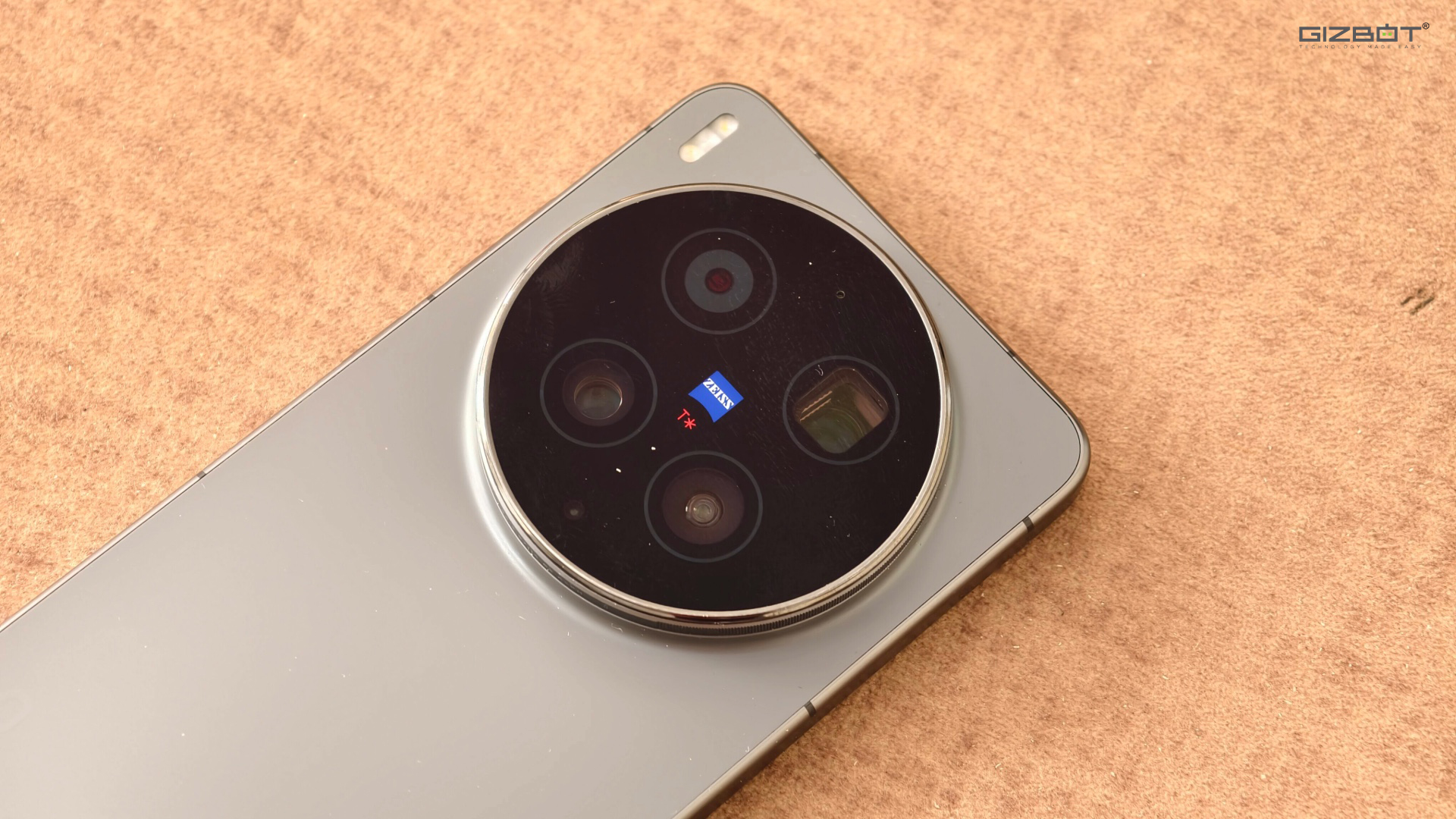
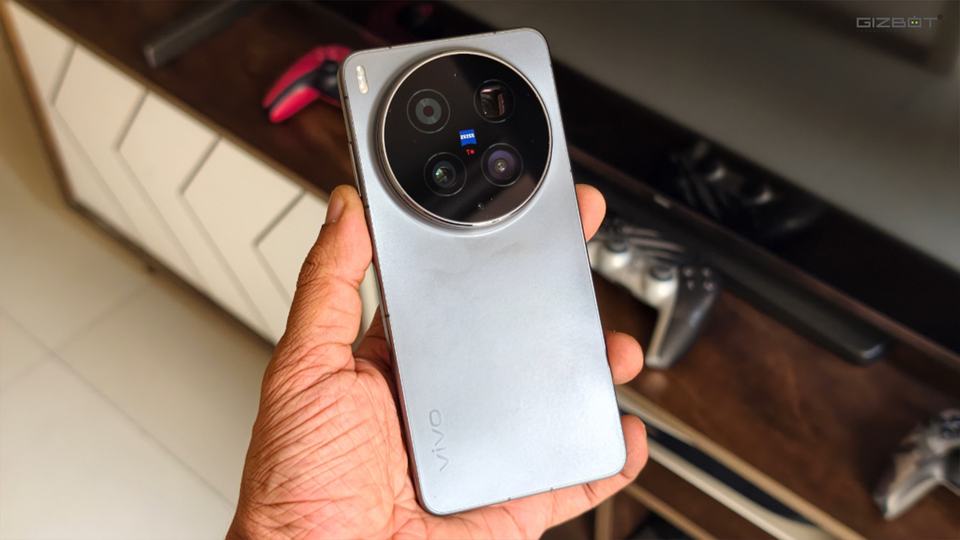
The camera is the headline. A 200MP 35mm main camera, a 200MP 85mm telephoto and a 50MP 14mm ultrawide make this the most complete camera phone I have used. Video has finally caught up as well, with 4K 120fps Log, Dolby Vision and a Film Style mode that shoots in a wide 2.4:1 cinematic frame.
Around that camera sits a proper flagship. The Snapdragon 8 Elite Gen 5 edits 4K footage and runs BGMI at 120fps without fuss, the 6,600mAh battery stretches into a second day, and the 100W charger fills it in under 50 minutes. The real surprise is the software. OriginOS has made me comfortable saying that a Vivo flagship can last you three years without regret.
It is not flawless. The camera bump is enormous, the phone weighs 232 grams, and it gets warm when you push it for long. But at Rs 1,59,999 for 16GB RAM and 512GB storage, I find it a better deal than the Galaxy S26 Ultra for anyone who cares about photos and video. If you can stack a bank offer on top, it becomes an even easier decision.
Vivo X300 Ultra Review: Camera
The X300 Ultra is the best camera phone I have used, and six months have only made that clearer. It takes photos that look like they came out of a DSLR, and its video now sits comfortably in the territory we used to reserve for iPhones.
The 35mm main camera is why I stopped carrying anything else
Most phones shoot at 24mm by default. The X300 Ultra's main camera sits at 35mm, a focal length a lot of street and portrait photographers choose on real cameras. On paper it sounds like a small change. In practice, faces stop stretching at the edges, buildings stop leaning and every frame looks more deliberate.
Behind that lens is Sony's 200MP LYT-901 sensor. At 1/1.12-inch, it is among the largest 200MP sensors in any phone, and Vivo pairs it with gimbal-style OIS rated at CIPA 6.5. What that means for you is natural background blur, highlights that roll off gently instead of clipping, and enough detail to crop hard without the photo falling apart.
I don't use the DSLR comparison lightly. For the kind of photos most of us take on trips, at family functions or around the city, the X300 Ultra gives me results I would have needed a mirrorless camera and a prime lens for a few years ago.
One tip from six months of use: switch the default Vivid colour profile to Natural. Vivid pushes saturation hard. Natural keeps skin tones honest and still has punch. Vivo also lets you build your own colour profile by tuning 12 settings, including exposure, highlights, shadows, grain and sharpness, and you can share that recipe with friends through a QR code.
The main and telephoto cameras can shoot full 200MP photos, and in good light it is worth turning that on. There is also a 25MP mode across all three rear cameras, which is my sweet spot between detail and file size.
The 85mm telephoto still has no real rival
The telephoto is a 200MP Samsung HP0 sensor behind an 85mm lens with 3.7x optical zoom. It is my favourite lens on the phone. Portraits get a lovely compression, the background melts away, and 10x shots remain genuinely usable. It also doubles as a macro camera, so you don't need a separate lens for close-ups of food or flowers.
The one trade-off is its f/2.7 aperture, which is dimmer than the f/2.3 lens on the X200 Ultra. At night, telephoto shots stay bright but lose some fine detail. It is still better than what I get at the same zoom from rivals.
The ultrawide is the weakest of the three, and it's still good
The 50MP ultrawide uses Sony's 1/1.28-inch LYT-818 sensor at 14mm. That sensor is larger than the main camera on many flagships. Colours match the main camera well and night shots are surprisingly bright. The catch is visible distortion at the edges and more noise in mixed lighting.
Video is where it finally matches the iPhone
For years, the honest advice to Android-using creators was to borrow an iPhone for video. The X300 Ultra ends that. It records 4K at 120fps in 10-bit Log across focal lengths, shoots Dolby Vision, and does 4K 60fps on all three rear cameras, so the footage does not change character when you switch lenses mid-shot. There is 8K at 30fps too, though I rarely use it.
The creator extras are what make this a powerhouse if you use them properly:
- Film Style mode shoots 4K 24fps in a 2.4:1 frame that looks cinematic straight out of the camera. It’s a show-stealer and everyone who saw it couldn’t believe their eyes.
- APV codec support gives you higher-quality files that hold up better in the edit.
- Wireless mic support lets you connect mics from brands like DJI directly.
- Custom audio profiles and a redesigned pro video mode give you real control.
- Horizon Lock came back through a software update, which helps for walking shots.
The Snapdragon chip completes the loop. I can shoot 4K footage, trim it, grade it and export it on the phone itself without stutters. That is the part that makes it a genuine content creator tool and not just a camera with good specs.
In fairness, some reviewers found 4K sharpness on certain lenses a step below the best, and Portrait mode photos can come out a little soft. In my use, those are small asterisks on an otherwise excellent system.
The Photography Kit turns it into a real camera, at a price
Vivo sells optional add-ons that clip on through a dedicated case. The ZEISS Telephoto Extender Gen 2 Ultra gives you a 400mm equivalent reach and costs Rs 27,999. The 200mm Gen 2 extender costs Rs 15,999, and the Imaging Grip Kit, with its own 2,300mAh battery and shutter controls, costs Rs 11,999. The full Photographer Kit sells for Rs 2,09,999 with the phone.
You don't need any of this to enjoy the X300 Ultra. But if you shoot wildlife, sports or concerts, it makes the phone a credible replacement for a compact camera.









Vivo X300 Ultra Review: Design and Build
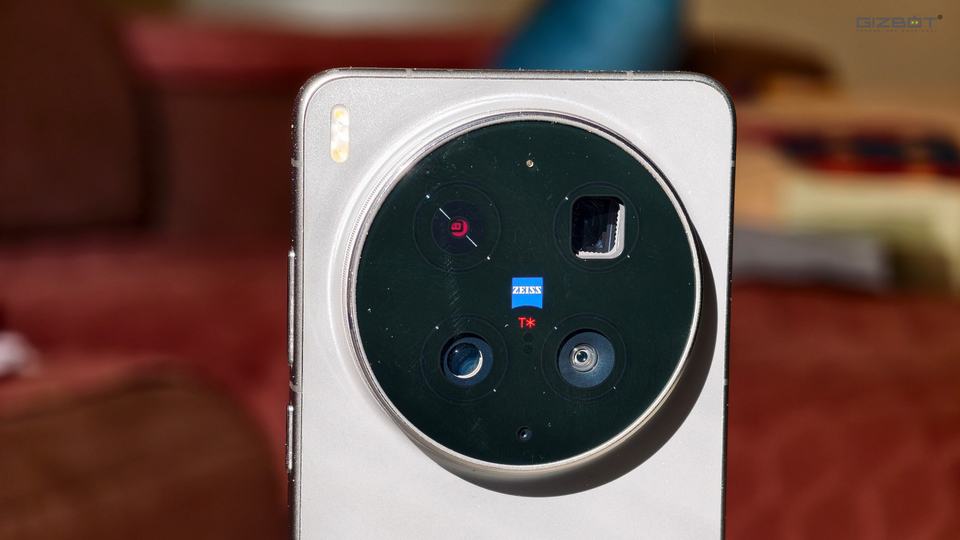
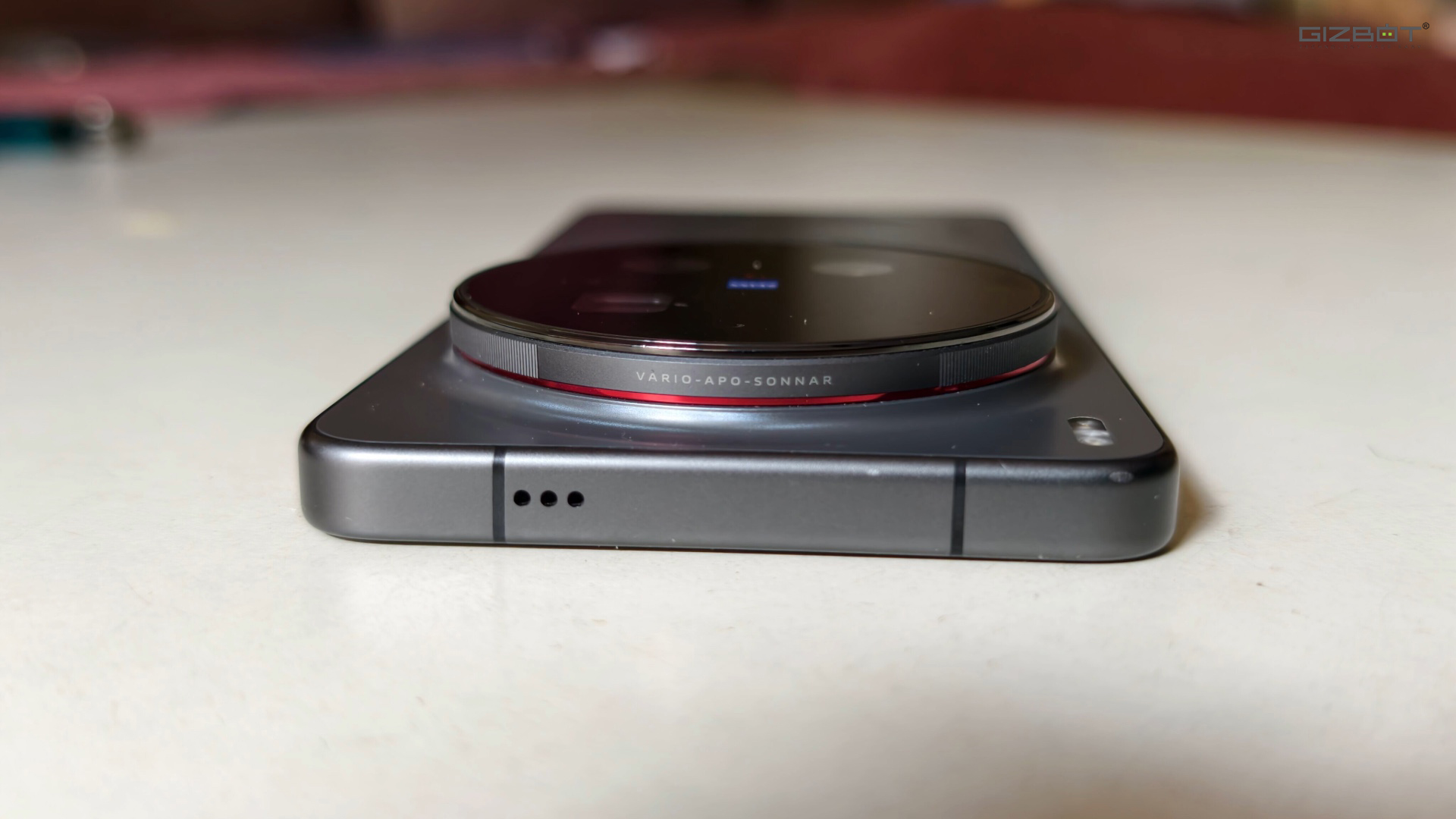
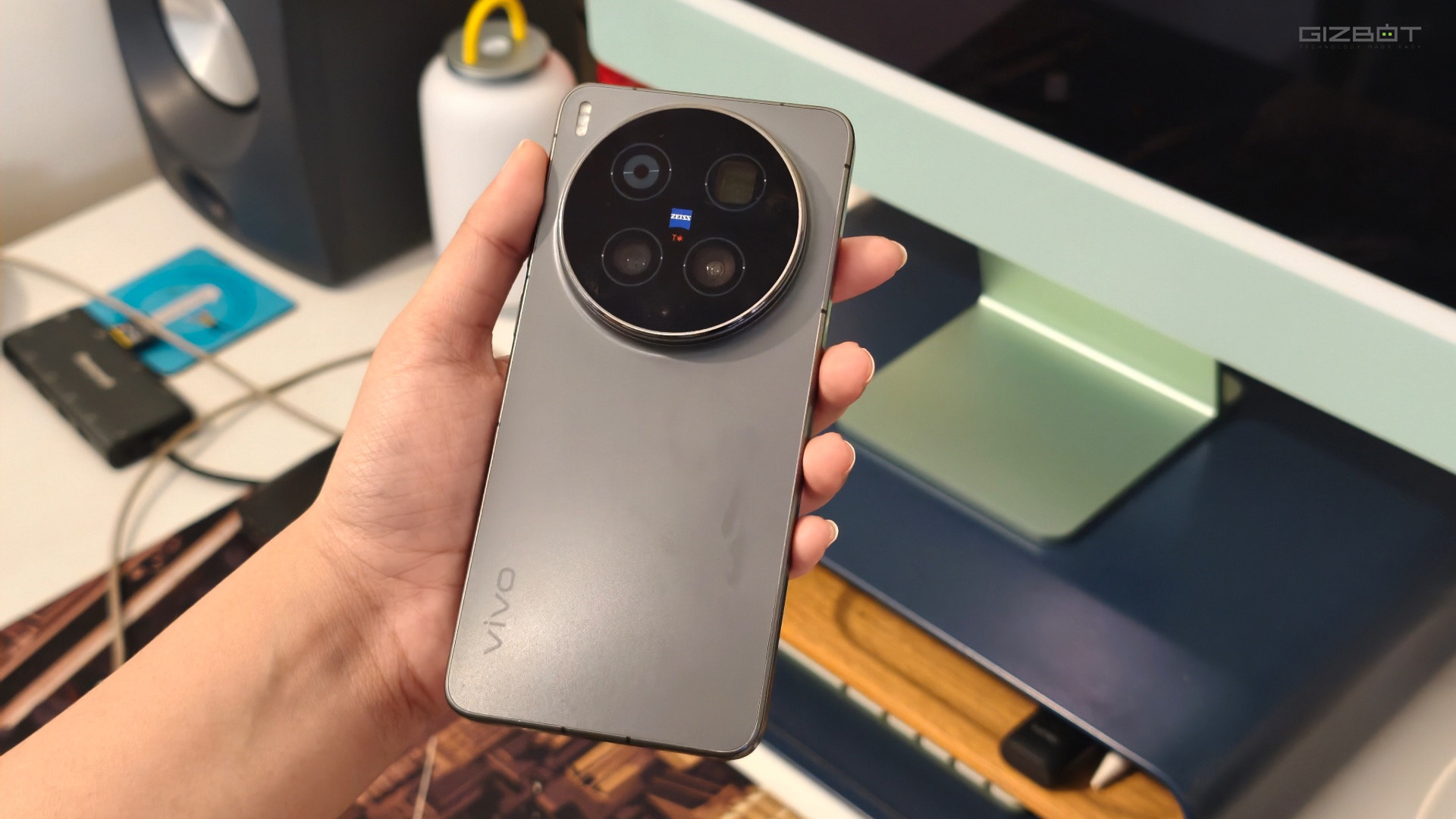
The X300 Ultra does not pretend to be subtle. The circular camera island is so thick that you can almost hold the phone by it, and at 232 grams it is noticeably heavier than the Galaxy S26 Ultra. If you have small hands or carry your phone in a shirt pocket, try it in a store first.
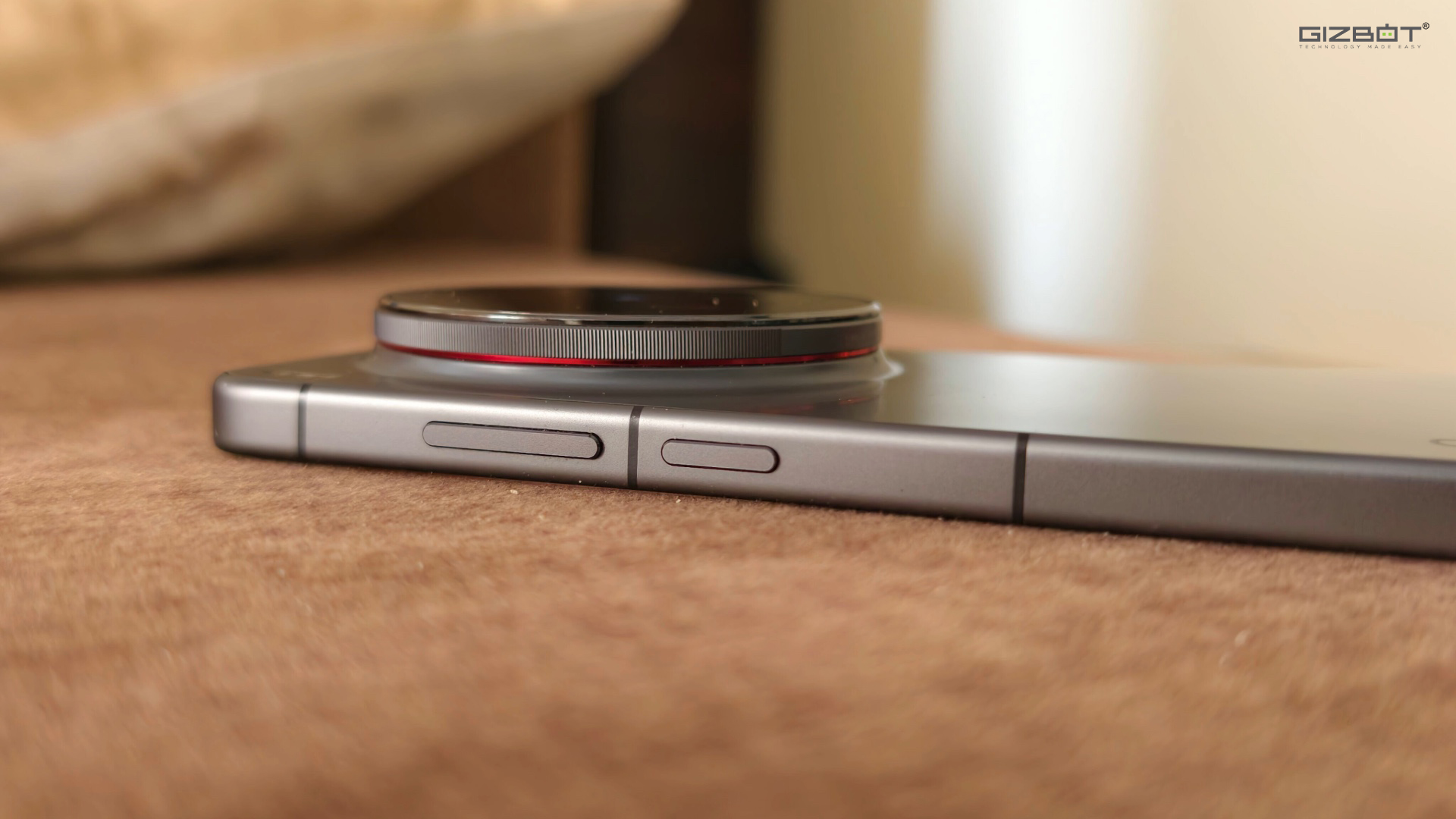
The rest of the design is clean. Vivo has gone flat on the front and back this year, the frame is aluminium, and the phone measures 8.2mm thick if you ignore the bump. It comes in Eclipse Black and Victory Green in India, and Vivo makes it at its Greater Noida facility.
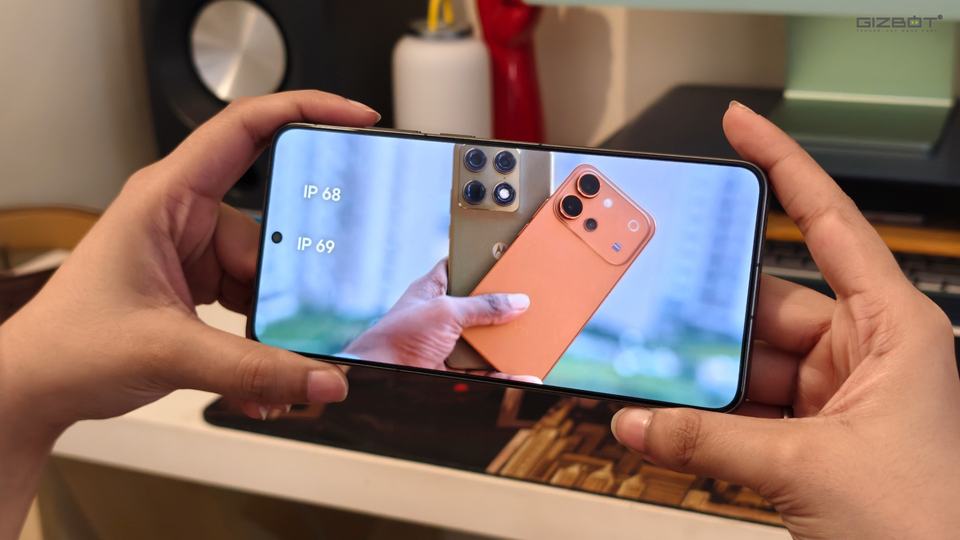
After six months of travel, the build has held up well. You get IP68 and IP69 ratings, so dust, rain and even high-pressure water jets are not a worry. The ultrasonic fingerprint sensor is fast and accurate, the haptics are crisp, and there is an IR blaster on board, which is handy for the AC remote that always goes missing.
Vivo also includes a colour-matched case in the box, which I'd recommend using given how much glass sits on that camera island.
Vivo X300 Ultra Review: Display
The 6.82-inch LTPO AMOLED panel runs at a QHD+ resolution of 3168 x 1440 with a refresh rate of up to 144Hz. Vivo claims 4,500 nits of peak brightness. Independent lab tests at GSMArena measured about 1,935 nits in auto mode and 3,328 nits on small bright highlights, which is among the best of any phone this year.
In real life, that means the screen stays readable under harsh sunlight and HDR content looks properly punchy. It supports Dolby Vision and HDR10+, and Netflix and YouTube play HDR without trouble. For editing photos and video on the go, colours look accurate once you pick the Natural display mode.
Vivo also uses 2160Hz PWM dimming, which should help people who get eye strain on OLED screens at low brightness. The only thing I'd point out is that 144Hz shows up only in select games. Day to day, the phone runs at up to 120Hz, which is perfectly smooth anyway.
Vivo X300 Ultra Review: Performance
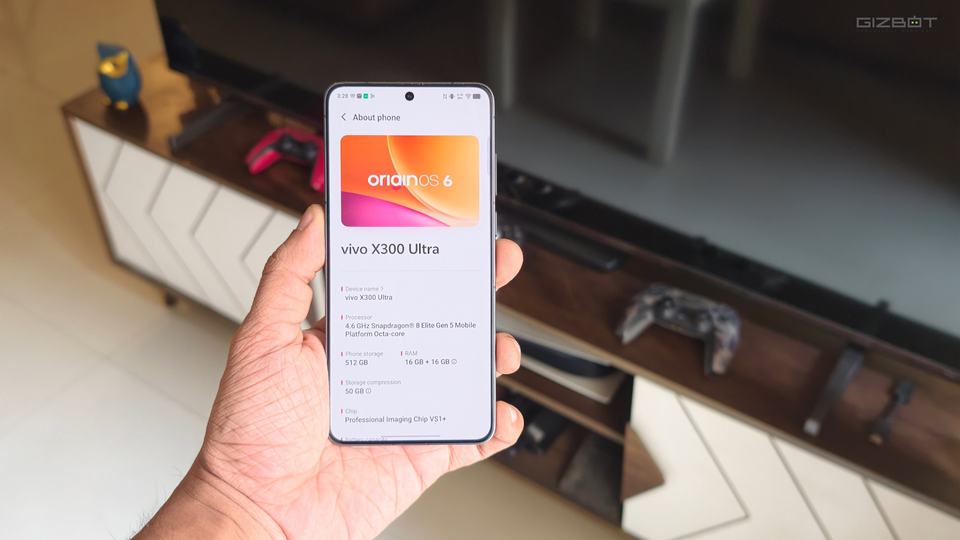
The X300 Ultra runs on Qualcomm's Snapdragon 8 Elite Gen 5 with 16GB of LPDDR5X RAM and 512GB of UFS 4.1 storage. Vivo adds its own VS1+ imaging chip, which takes some of the photo and video processing load off the main processor.
Numbers back up how fast it feels. Apps open instantly, 200MP photos process quickly, and I have never had to wait on the phone while trimming and exporting 4K clips.
Gaming is a treat on this screen. BGMI supports 120fps here. In my own sessions, the gameplay stayed smooth and the phone stayed comfortable to hold. Bypass charging also helps, since it powers the phone directly while plugged in instead of heating up the battery.
There is a caveat worth being honest about. Vivo uses a large 5,800 sq mm vapour chamber, and lab stress tests show the chip settles at roughly 60 percent of its peak after long, sustained loads, with the body getting quite warm. You will notice this in marathon gaming or long 4K recording sessions on a hot day. For normal use and regular gaming, thermal management held up well for me.
Vivo X300 Ultra Review: Battery
The 6,600mAh battery is one of the reasons this phone never left my side. On a regular workday, I end the day with plenty left over, and on lighter days it comfortably runs into a second day. Camera-heavy travel days are where most flagships tap out by evening, but the X300 Ultra doesn't.
Charging is just as reassuring. Vivo ships a 100W USB-C charger in the box, and in my test it took the phone from 1 percent to 36 percent in 15 minutes, 66 percent in 30 minutes, and full in 46 minutes. There is 40W wireless charging and reverse charging too. If you plan to keep the phone for three years, turn on the charge limit option in settings to protect battery health.
Vivo X300 Ultra Review: Software and Features
This is the section I expected to complain about, and the one that surprised me most. In 2024, FunTouch OS was the reason I steered people away from Vivo. It felt cluttered and inconsistent next to One UI or iOS. OriginOS, which Vivo has now brought to India, fixes that.
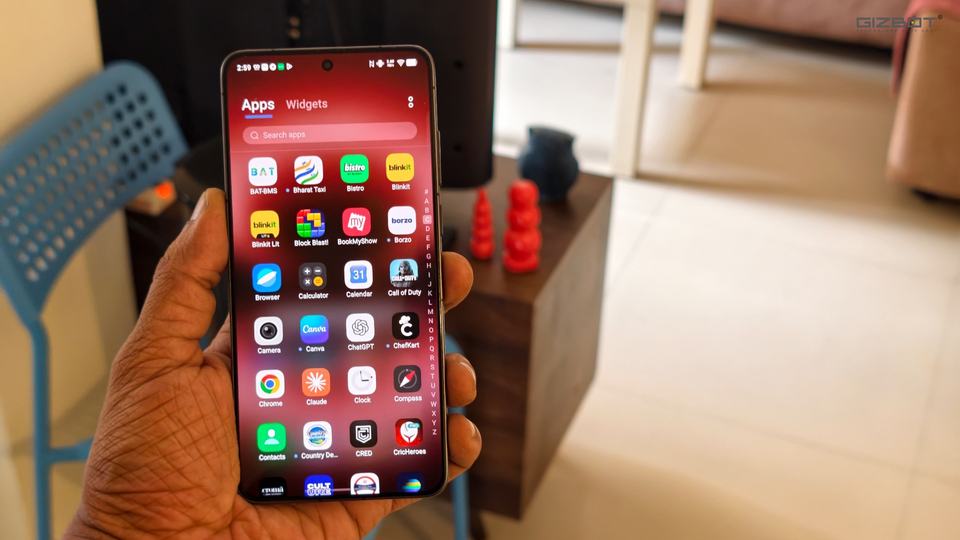
The X300 Ultra shipped with OriginOS 6 on Android 16. Animations are fluid and track your finger closely, the control centre is clean, and the design feels considered rather than copied. The small touches are what I use daily:
- Origin Island around the selfie camera shows timers, music, and calls, and works as a drop zone for drag-and-drop.
- Per-app volume and per-app brightness, which I didn't know I needed until I had them.
- Flip Cards lock screen themes, which are genuinely fun and unlike anything on other phones.
- Quick Share works with iPhones through AirDrop, so sending photos to friends on Apple is no longer a hassle.
- Connection Center handles Link to PC for screen mirroring and file transfers.
The AI tools are practical as well. There is an AI writing assistant for rewriting, proofreading, and summaries, system-wide AI Captions with live transcription and translation, AI Transcribe for recordings, and AI photo editing tools neatly grouped in the gallery.
I have also been running OriginOS 7, based on Android 17, on the X300 Pro, and it takes things further. Vivo claims 10 percent faster cold app launches and 11 percent faster page switching, along with an upgraded Jovi assistant that can read and summarise files, and a new Workbench mode for multitasking. Vivo says the X300 Ultra gets OriginOS 7 in India by the end of October.
Vivo X300 Ultra Review: Verdict
Why I'd pick it over the Galaxy S26 Ultra at Rs 1.6 lakh
The X300 Ultra costs Rs 1,59,999 for its only variant, 16GB RAM with 512GB storage. That is exactly what the Galaxy S26 Ultra's 512GB model launched in India. For the same money, Vivo gives you more RAM, a much bigger battery and, in my experience, a clearly better camera system.
| Vivo X300 Ultra | Samsung Galaxy S26 Ultra | |
| Launch price (512GB) | Rs 1,59,999 | Rs 1,59,999 |
| RAM | 16GB | 12GB |
| Battery | 6,600mAh | 5,000mAh |
| Wired charging | 100W, charger in box | 60W |
| Main camera | 200MP, 35mm, 1/1.12-inch | 200MP, 24mm |
| Telephoto | 200MP, 85mm (3.7x) | 10MP 3x + 50MP 5x |
| Stylus | No | S Pen |
| Weight | 232g | 214g |
To be fair to Samsung, the S26 Ultra has since received an official price cut to Rs 1,50,999 for the 512GB model, and festive sales have pushed it lower. It is also lighter, it has the S Pen, and Samsung's service network is wider. If those things matter more to you than photography, the S26 Ultra is a sensible pick.
But if the camera is why you are spending this much, the X300 Ultra gives you more for the money. Offers make it easier still. During Amazon's Great Indian Festival, ICICI Bank and Axis Bank cards knocked up to Rs 16,300 off, bringing it close to Rs 1.44 lakh. Keep an eye on bank offers before you buy.
The real hurdle is perception, not the phone
After six months, I am convinced the biggest thing stopping people from buying a phone like this is not the phone. It is the label.
Part of that comes from experience. Many of us used Chinese phones a few years ago that were loaded with bloatware, ads and half-baked software, and that memory sticks. The other part is social. In India, an iPhone or a Galaxy is still seen as the "premium" choice, and spending Rs 1.6 lakh on a Vivo feels like a harder decision to explain at a family dinner.
That thinking is now out of date. Some of the most interesting work in smartphones, especially in cameras, batteries and charging, is coming from companies like Vivo and Oppo. Whether you look at AI features, UI customisation, camera hardware, long-term updates or build quality, the X300 Ultra holds its own against anything Apple or Samsung sells. In some areas, it is ahead.
I went in expecting to be impressed by the camera and frustrated by the rest. Instead, I stopped thinking about the brand within a few weeks.
| Attributes | Notes | Rating |
|---|---|---|
| Camera | 4.8/5 | |
| Design and Build | 4/5 | |
| Display | 4/5 | |
| Performance | 4/5 | |
| Battery | 4.3/5 | |
| Software and Features | 3.8/5 |
-
 54,999
-
 99,999
-
 1,44,900
-
 89,998
-
 46,500
-
 57,998
-
 53,989
-
 1,59,999
-
 1,29,999
-
 99,999
-
 70,499
-
 1,56,900
-
 1,30,990
-
 17,084
-
 16,999
-
 30,999
-
 9,999
-
 79,900
-
 8,999
-
 79,999
-
 20,999
-
 37,999
-
 25,999
-
 31,999
-
 24,999
-
 10,999
-
 15,999
-
 45,999
-
 19,499
-
 1,61,999


 Continue with Google


