


 Click it and Unblock the Notifications
New Study Shows Smartwatches Can Detect Higher Risk of Heart Failure and Irregular Heart Rhythms

A new peer-reviewed study published in The European Heart Journal - Digital Health suggests that wearable devices, such as smartwatches, may have the potential to detect a higher risk of developing heart failure and irregular heart rhythms in later life.
The study analyzed data from 83,000 individuals who had undergone a 15-second electrocardiogram (ECG), similar to the ones carried out by smartwatches and mobile devices.
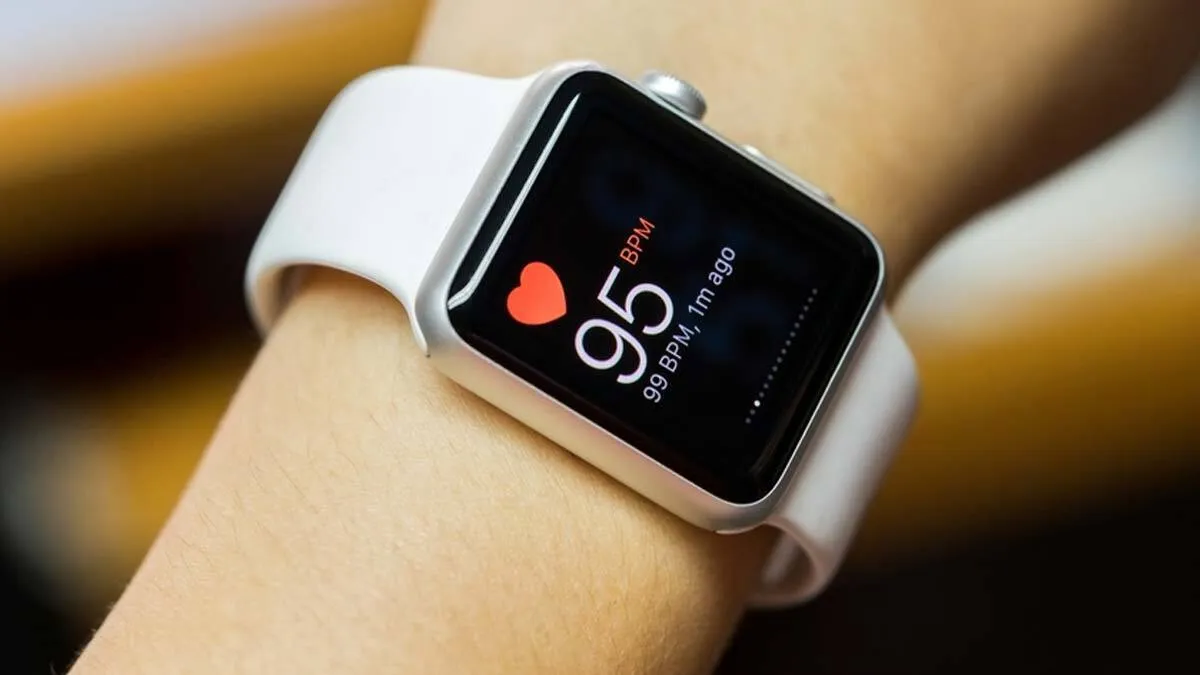
By identifying ECG recordings that contained extra heartbeats (often harmless, but potentially indicative of heart failure or arrhythmia if they occur frequently), the researchers were able to draw their conclusions.
The study found that individuals with an extra heartbeat in the 15-second ECG recording (which accounted for one in every 25 individuals) had twice the risk of developing heart failure or atrial fibrillation (an irregular heart rhythm) within the next decade.
The analyzed ECG recordings belonged to people aged between 50 and 70 years who did not have any known cardiovascular disease at the time of recording.
Dr. Michele Orini, the lead author from the UCL Institute of Cardiovascular Science, stated that the study's findings indicate that ECGs obtained from consumer-grade wearable devices may aid in the detection and prevention of heart disease in the future.
What Is Heart Failure?
Heart failure is a condition in which the heart is unable to pump enough blood to meet the body's needs. This can lead to symptoms such as shortness of breath, fatigue, and swelling in the legs and ankles. Common causes of heart failure include high blood pressure, coronary artery disease, and heart attacks.
You Shouldn't Completely Rely on a Smartwatch
Dr. Nishith Chandra, Principal Director of Interventional Cardiology at Fortis Escorts Heart Institute in New Delhi, warns that while wearable devices and smartwatches can help detect certain heart conditions such as heart failure and arrhythmias, they should not replace professional medical assessment.
He emphasizes the importance of consulting a healthcare provider for a comprehensive evaluation and diagnosis. These devices can be useful in monitoring heart rate, activity levels, and sleep patterns, and using ECG sensors to detect sudden changes in heart rate or other potential symptoms of heart failure.
The HOW Behind the Research
The new study used machine learning to identify extra heartbeats in recordings from over 80,000 people in the UK Biobank project. The recordings were reviewed by two experts to ensure accuracy. The study found that an extra beat from the lower chambers of the heart was linked to a two-fold increase in later heart failure, while an extra beat from the upper chambers was linked to a two-fold increase in cases of atrial fibrillation.
The study was conducted by researchers from several institutions and was supported by the Medical Research Council, the British Heart Foundation, and the NIHR Barts Biomedical Research Centre.
-
 1,29,999
 -
 22,999
 -
 64,999
 -
 99,999
 -
 29,999
 -
 39,999
 -
-
 63,999
 -
 1,56,900
 -
 96,949

-
 1,39,900
 -
 1,29,900
 -
 79,900
 -
 65,900
 -
 12,999
 -
96,949
-
 16,499
 -
 38,999
 -
 30,700
 -
 49,999
-
 19,999
 -
 17,970
 -
 21,999
 -
 13,474
 -
 18,999
 -
 22,999
 -
 19,999
 -
 17,999
 -
 26,999
 -
 5,999
5,999
-1763362932432.svg)

 Continue with Google

