


 Click it and Unblock the Notifications
Infinix Zero Ultra Vs Redmi Note 12 Pro Plus 5G: Specs, Display, Features, Compared


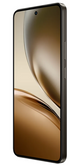
Xiaomi's sub-brand Redmi has traditionally remained loyal to the midrange Android segment, while Infinix played in the budget and affordable Android smartphone market. However, both brands have made a leap with their recently launched smartphones. The Redmi Note 12 Pro Plus 5G has breached the ₹30,000 mark, while the Infinix Zero Ultra is a premium smartphone with aggressive pricing. Let's compare the specifications and features of these 5G-enabled Android smartphones to see which one could be a better choice.
Infinix Zero Ultra Vs Redmi Note 12 Pro Plus 5G: Display
The Infinix Zero Ultra 5G features a 6.8-inch Full HD+ AMOLED display with a 120Hz refresh rate and a 460Hz touch sampling rate. The 1080p screen has a peak brightness of 900 nits with a punch-hole cutout that houses a 32 MP front-facing camera.
The Redmi Note 12 Pro Plus 5G features a 6.67-inch Full HD+ "Pro" AMOLED Display. The 1080p screen has an adaptive refresh rate of up to 120Hz, and a touch sampling rate of 240Hz. The screen's peak brightness is 900 nits, and a layer of Corning Gorilla Glass 5 protects it.
Infinix Zero Ultra Vs Redmi Note 12 Pro Plus 5G: Performance
The Infinix Zero Ultra 5G smartphone is powered by a MediaTek Dimensity 920 6nm SoC, which is paired with a Mali-G68 MC4 GPU. Infinix is offering a single variant of the smartphone with 8GB RAM and 256GB of internal storage.
Xiaomi has embedded a 6nm MediaTek Dimensity 1080 chipset in the Redmi Note 12 Pro Plus 5G and paired it with up to 12GB RAM and 256GB internal storage.
Despite being positioned as a midrange Android smartphone, the Redmi Note 12 Pro Plus 5G has a better chipset than the Infinix Zero Ultra 5G. Moreover, the Redmi smartphone has more RAM too.
Infinix Zero Ultra Vs Redmi Note 12 Pro Plus 5G: Cameras
The Infinix Zero Ultra 5G has a triple camera setup on the back, headlined by an OIS-enabled 200 MP rear camera. The primary camera is paired with a 13 MP ultra-wide camera, and a 2 MP depth sensor. There is a 32 MP front-facing camera with dual LED flash for selfies video calls and face unlock.
The Redmi Note 12 Pro Plus 5G features a triple-camera setup on the back. It packs a 200MP Samsung HPX Sensor, coupled with an 8MP ultra-wide-angle lens and a 2MP macro camera. There's a 16MP front-facing camera for selfies, video calls, and face unlock.
Both smartphones feature a triple camera setup on the back, headlined by a 200MP primary camera on the back. The Infinix smartphone, however, has an edge over the Redmi smartphone as it packs a 32MP front-facing camera.
Infinix Zero Ultra Vs Redmi Note 12 Pro Plus 5G: Battery
The Infinix Zero Ultra 5G draws power from a 4,500mAh battery, which supports a 180W "Thunder Charge" system. Infinix claims it has deployed 111 software and hardware solutions to ensure optimal charging and prevent the battery pack from thermal overruns.
Xiaomi has embedded a 4980mAh battery in the Redmi Note 12 Pro Plus 5G, which supports 120W HyperCharge. The company is offering a 120W charger in the retail box of the smartphone.
The Redmi phone once again trumps the Infinix phone because it has a larger battery. However, the Infinix smartphone can recharge at a much faster pace. Battery endurance of both smartphones, however, should depend primarily on usage patterns.
Infinix Zero Ultra Vs Redmi Note 12 Pro Plus 5G: Which One To Buy?
Infinix has undoubtedly offered a premium Android smartphone. The Infinix Zero Ultra, however, falls behind the Redmi Note 12 Pro Plus 5G in quite a few parameters.
Incidentally, the Infinix Zero Ultra and the Redmi Note 12 Pro Plus 5G are priced quite similarly. However, owing to an AMOLED display with an adaptive refresh rate, a larger battery, and a better MediaTek chipset, the Redmi smartphone wins in this comparison.
-
 54,999
 -
 99,999
 -
 1,44,900
 -
 89,998
 -
 46,500
 -
 57,998
 -
 53,989
 -
 1,59,999
 -
 1,29,999
 -
 99,999
-
 70,499
 -
 1,56,900
 -
 1,30,990
 -
 17,084
 -
 16,999
 -
 30,999
 -
 9,999
9,999 -
 79,900
 -
 8,999
8,999 -
 79,999
-
 20,999
 -
 37,999
 -
 25,999
 -
 31,999
 -
 24,999
 -
 10,999
 -
 15,999
 -
 45,999
 -
 19,499
 -
 1,61,999
-1763362932432.svg)

 Continue with Google

