


 Click it and Unblock the Notifications
Samsung Galaxy Z Fold 8 Ultra vs Galaxy Z Fold 7: Which Premium Foldable Offers Better Value

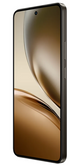
Samsung's foldable lineup has entered a new phase with the launch of the Galaxy Z Fold 8 Ultra, the company's most premium foldable yet. While it builds on the foundation laid by the Galaxy Z Fold 7, the Ultra introduces meaningful improvements across the display, battery, performance, and cameras.
If you're upgrading from an older Fold or buying your first premium foldable, here's how the two compare.

Samsung Galaxy Z Fold 8 Ultra vs Galaxy Z Fold 7: Comparison
| Specification | Samsung Galaxy Z Fold 8 Ultra | Samsung Galaxy Z Fold 7 |
| Main Display | 8.0-inch QXGA+ Dynamic AMOLED 2X, 2504 × 2256, 422ppi, 3,000 nits peak, 120Hz adaptive | 8.0-inch Dynamic AMOLED 2X, 2184 × 1968, 368ppi, 2,600 nits peak, 120Hz adaptive |
| Outer Display | 6.5-inch FHD+ Dynamic AMOLED 2X, 1080 × 2520, 422ppi, 120Hz | 6.5-inch Dynamic AMOLED 2X, 2520 × 1080, 422ppi, 120Hz |
| Chipset | Snapdragon 8 Elite Gen 5 for Galaxy | Snapdragon 8 Elite for Galaxy |
| Configurations | 12GB + 256GB / 512GB, 16GB + 1TB | 12GB + 256GB / 512GB, 16GB + 1TB |
| Main Cameras | 200MP wide, Quad Pixel AF, OIS, f/1.7, 85° FoV, 200MP HDR mode + 50MP, Quad Pixel AF, f/1.9, 120° FoV (Ultrawide)+ 10MP, PDAF, OIS, f/2.4, 3x optical zoom, 30x Space Zoom (Telephoto) | 200MP wide, OIS, f/1.7, 85° FoV + 12 MP, f/2.2, 120˚ FOV, PDAF (Ultrawide) + 10MP, PDAF, OIS, f/2.4, 3x optical zoom, 30x Space Zoom (Telephoto) |
| Selfie Cameras | 10MP inner + 10MP cover, f/2.2 | 10MP inner + 10MP cover, f/2.2 |
| Battery and Charging | 5,000mAh + 45W Fast Wired + 20W Fast Wireless | 4,400mAh + 25W Fast Wired + 15W Fast Wireless |
| Operating System | Android 17 with One UI 9 (7 years of OS & security updates) | Android 16 with One UI 8 (7 years of OS & security updates) |
| Starting Price | Rs. 1,99,999 | Rs. 1,74,999 |
Display: Brighter, Sharper, and a Better Folding Experience
Both smartphones feature an 8-inch foldable AMOLED display, but the Galaxy Z Fold 8 Ultra offers a sharper 2504 x 2256 resolution compared to the Fold 7's 2184 x 1968 panel. Text appears crisper, while media consumption and multitasking benefit from the increased pixel density.
Samsung has also increased peak brightness to 3,000 nits on the Ultra, up from 2,600 nits on the Z Fold 7, making outdoor visibility noticeably better.
Another welcome improvement is the reduced display crease. Samsung's new Flex Titanium construction makes the crease less visible and smoother to swipe across, further enhancing the foldable experience.
Performance: Faster Chip, Better Cooling
The Fold 8 Ultra is powered by Samsung's latest Snapdragon 8 Elite Gen 5 chipset, while the Galaxy Z Fold 7 runs on the Snapdragon 8 Elite.
Although day-to-day performance remains excellent on both devices, the newer processor delivers better sustained performance and improved efficiency. Samsung has also redesigned the cooling system with a larger graphite thermal solution, allowing the Ultra to maintain peak performance for longer gaming sessions and demanding workloads.
Both devices offer up to 16GB RAM, ensuring smooth multitasking and productivity.
Cameras: Ultra-Wide Gets the Biggest Upgrade
Samsung retains the 200MP primary camera on both phones, but the Fold 8 Ultra benefits from improved image processing for better HDR performance, more accurate colours, and enhanced dynamic range.
The biggest hardware change comes with the ultra-wide camera. Samsung replaces the Fold 7's 12MP ultra-wide sensor with a new 50MP sensor on the Ultra, resulting in noticeably sharper landscape shots and improved detail.
The 10MP 3x telephoto camera remains unchanged, continuing to support optical zoom and Samsung's Space Zoom features.
Battery and Charging: A Meaningful Leap at Last
Battery life is one of the biggest upgrades this year.
The Galaxy Z Fold 8 Ultra packs a 5,000mAh battery, compared to the Fold 7's 4,400mAh cell. Combined with the more efficient Snapdragon chipset, users can expect significantly longer screen-on time.
Charging has also improved. The Ultra now supports 45W wired charging, reaching around 67 percent in 30 minutes. The Fold 7 is limited to 25W charging, making quick top-ups noticeably slower.
Design and Durability
Samsung hasn't radically changed the design. Both foldables weigh 215g, measure 8.9mm when folded, and feature an Armor Aluminum frame, Gorilla Glass Victus 2, and IP48 water and dust resistance.
The Fold 8 Ultra is only marginally thinner when unfolded, so ergonomics remain largely unchanged.
Software and AI
Out of the box, the Fold 8 Ultra ships with Android 17 and One UI 9, while the Fold 7 launched with Android 16.
Both devices are backed by Samsung's seven years of Android OS and security updates, making either phone a long-term investment.
Samsung's Galaxy AI suite, including Google Gemini, Circle to Search, live translation, and AI-powered photo editing, is available on both devices, although future AI features are likely to arrive on the Ultra first.
Samsung Galaxy Z Fold 8 Ultra vs Galaxy Z Fold 7: Conclusion
If you already own a Galaxy Z Fold 7, there isn't enough here to justify an immediate upgrade. The Fold 8 Ultra improves nearly every aspect of the experience, but the upgrades are evolutionary rather than revolutionary.
However, if you're upgrading from an older Fold or entering Samsung's foldable ecosystem for the first time, the Galaxy Z Fold 8 Ultra is the better buy. Its brighter display, reduced crease, larger battery, faster charging, improved cooling, and upgraded 50MP ultra-wide camera make it a noticeably more complete flagship.
Pricing also works in its favour. The Galaxy Z Fold 7 starts at Rs. 1,74,999, while the Galaxy Z Fold 8 Ultra is priced at Rs. 1,99,999. However, Samsung is currently offering the Ultra at an effective price of Rs. 1,89,999, narrowing the gap to just Rs. 15,000. At that price difference, the Fold 8 Ultra holds a solid advantage and is well worth paying the premium for its meaningful hardware improvements.
-
 54,999
 -
 99,999
 -
 1,44,900
 -
 89,998
 -
 46,500
 -
 57,998
 -
 53,989
 -
 1,59,999
 -
 1,29,999
 -
 99,999
-
 70,499
 -
 1,56,900
 -
 1,30,990
 -
 17,084
 -
 16,999
 -
 30,999
 -
 9,999
9,999 -
 79,900
 -
 8,999
8,999 -
 79,999
-
 20,999
 -
 37,999
 -
 25,999
 -
 31,999
 -
 24,999
 -
 10,999
 -
 15,999
 -
 45,999
 -
 19,499
 -
 1,61,999
-1763362932432.svg)

 Continue with Google

