


 Click it and Unblock the Notifications
How To Find & Replace Dated Windows Drivers

A driver is a software that communicates between the hardware components of a computer and its operating system making them work together. A good number of unexplained computer problems can be narrowed down to issues with the drivers. This could be due to anything from your printer malfunctioning or your game crashing. There are drivers available for video card, audio, motherboard and much more. It isn't necessary to update your drivers if your computer is working fine but if it looks like you do need to update your drivers, a few ways in which you can update your drivers have been listed below

Checking your drivers
You might not know which drivers and what version of drivers you might have installed on your system. You can find this information in Windows XP to Windows 8 by using Command Prompt. You can access Command Prompt by pressing Windows Key + X. Type driverquery and hit Enter. This will give you a list of all the drivers that is present on your system and when it was published. You can also type driverquery > driver.txt to get a text file which will save into wherever your command prompt is set to. The date listed is not the date your driver was updated on, but the date the driver was published on.
This means that even if the date is a few years back, the driver does not need updating. This method does not work for Windows 10 properly, the free utility DriverView is a good choice to get all the information you need. Information like version number, manufacturer, installation date and more will be made available. You can double click on a driver on the list to see information in a single view.

Update drivers directly from Microsoft
The Windows Update will directly take care of your drivers when it gets updated. In order to perform a Windows Update, press Windows key + I in order to open Settings and go to Update & Security > Windows Update > Check for updates. You can disable automatic updates if you want to. Perform a search for device installation settings and select the relevant result

Update drivers via Device Manager
You can access Device Manager by pressing Windows key + X and clicking on Decide Manager. The Device Manager will show all your system components, like your disk drives, display adapters, processors and more. Double clicking on a category will show you the devices within. Click on Update Driver and select Search automatically for updated driver software and this will find a driver online for you. You can also click ‘Browse my computer for driver software' to manually update the drivers.

Update drivers manually from the manufacturer
You can also update your drivers by going directly to the source and updating the drivers from the manufacturers. You can use the information you got through the driverquery command, DriverView utility or Device Manager to figure out which drivers you have, the manufacturers of the drivers. You can head over to the manufacturer's website and look in the drivers section for the right one. Some providers like AMD and NVIDIA scans your system and detects the drivers you need automatically.
-
 54,999
 -
 99,999
 -
 1,44,900
 -
 89,998
 -
 46,500
 -
 57,998
 -
 53,989
 -
 1,59,999
 -
 1,29,999
 -
 99,999
-
 70,499
 -
 1,56,900
 -
 1,30,990
 -
 17,084
 -
 16,999
 -
 30,999
 -
 9,999
9,999 -
 79,900
 -
 8,999
8,999 -
 79,999
-
 20,999
 -
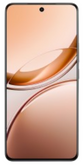 37,999
 -
 25,999
 -
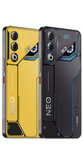 31,999
 -
 24,999
 -
 10,999
 -
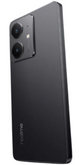 15,999
 -
 45,999
 -
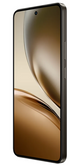 19,499
 -
 1,61,999
-1763362932432.svg)

 Continue with Google

